Phenology and nest site preferences of wood-nesting bees in a neotropical lowland rain forest
-
Published source details
Thiele R. (2005) Phenology and nest site preferences of wood-nesting bees in a neotropical lowland rain forest. Studies on Neotropical Fauna and Environment, 40, 39-48.
Published source details Thiele R. (2005) Phenology and nest site preferences of wood-nesting bees in a neotropical lowland rain forest. Studies on Neotropical Fauna and Environment, 40, 39-48.
Actions
This study is summarised as evidence for the following.
| Action | Category | |
|---|---|---|
|
Retain dead wood in forest management Action Link |
 |
|
|
Provide artificial nest sites for solitary bees Action Link |
|
-
Retain dead wood in forest management
See Provide artificial nest sites for solitary bees for one trial in which nest boxes were placed in dead standing trees in lowland tropical rainforest (Thiele 2005).
-
Provide artificial nest sites for solitary bees
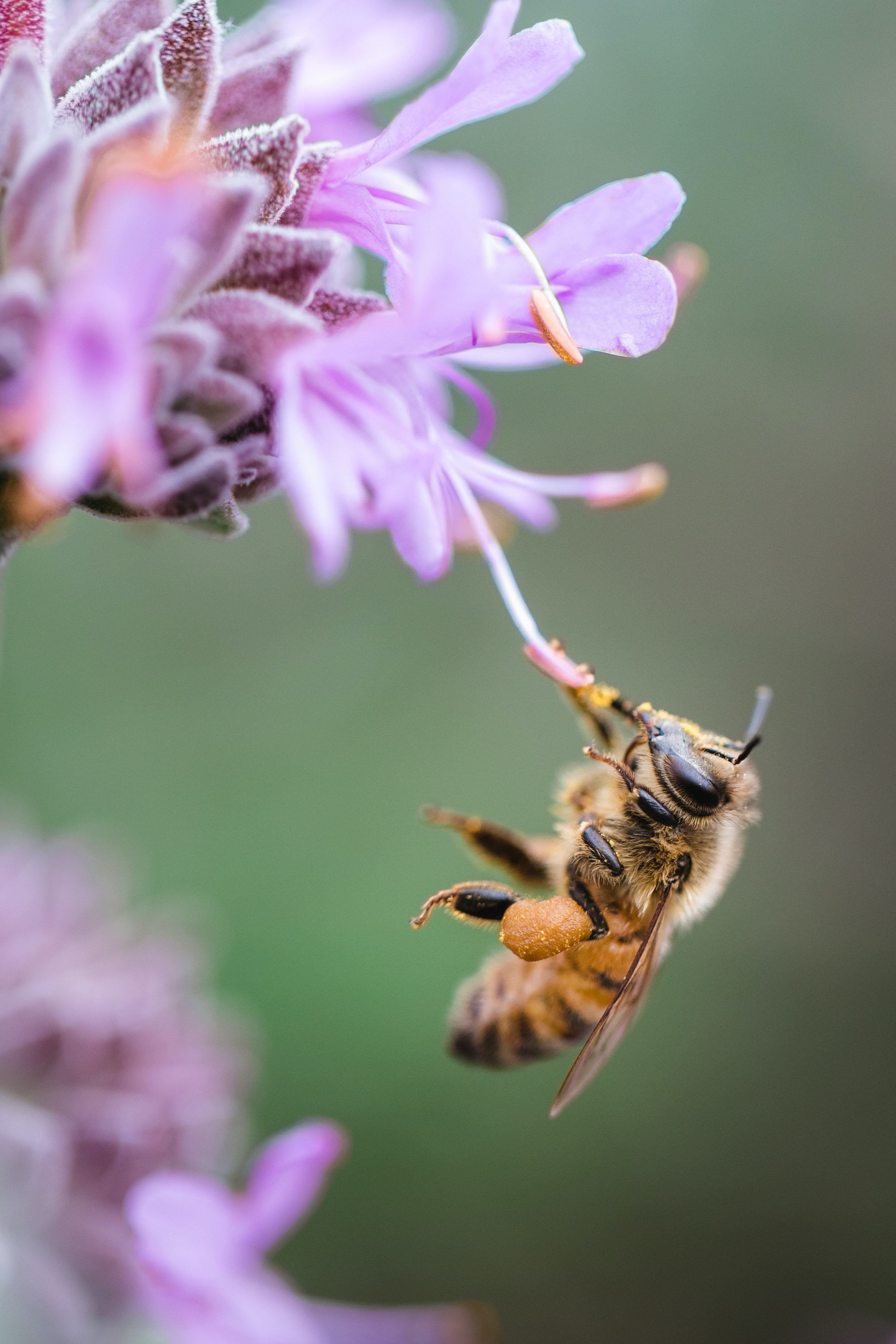
In a separate report of the same study (Thiele 2005), 16 species of solitary bee were recorded nesting in 24 hardwood nesting blocks, each with 80 drilled holes, in Costa Rican lowland tropical forest. Most nests were made in boxes placed in the canopy of dead trees, 21-37 m high (69% of all nests in the first year). The author stresses the importance of retaining dead standing emergent trees for bee conservation in this habitat.


)_2023.JPG)