Help tooltips: On  |  Off

What is ConservationEvidence?

Conservation Evidence is a free, authoritative information resource designed to support decisions about how to maintain and restore global biodiversity. We summarise evidence from the scientific literature about the effects of conservation interventions such as methods of habitat or species management.

We publish the online journal Conservation Evidence and Synopses of Conservation Evidence, which can be used as conservation handbooks. They bring together evidence about all the possible interventions you could use to conserve wildlife in a particular species group or habitat. More about the project can be found on the 'About' and 'FAQ' pages. Alternatively, why not try a search?

Current progress What does this represent?

denotes Synopsis complete

News

Close

Current progress

The 'current progress' graph shows the number of studies currently summarised on the Conservation Evidence database for each main group of organisms and habitats.

We aim to convert the entire body of scientific knowledge about conservation into an accessible, easy to read format. To do this, we continually extract evidence from the most relevant mainstream scientific journals. We also focus on more specialist literature to produce Conservation Evidence Synopses.

When we’ve completed a synopsis (shown by darker bars on the graph), our coverage of the literature is more complete. In these areas, we have also extracted evidence from specialist journals and reports, and accessed the knowledge of an international group of advisers.

How long will the project take?

We estimate that it will take 38 person-years to complete all planned synopses. Based on expanding capacity in the near future, we aim to have all synopses completed by 2015.

The Conservation Evidence project will never be complete. The website will continue to be updated, improved and adapted as science and conservation practice develop.

Close

What is a Synopsis?

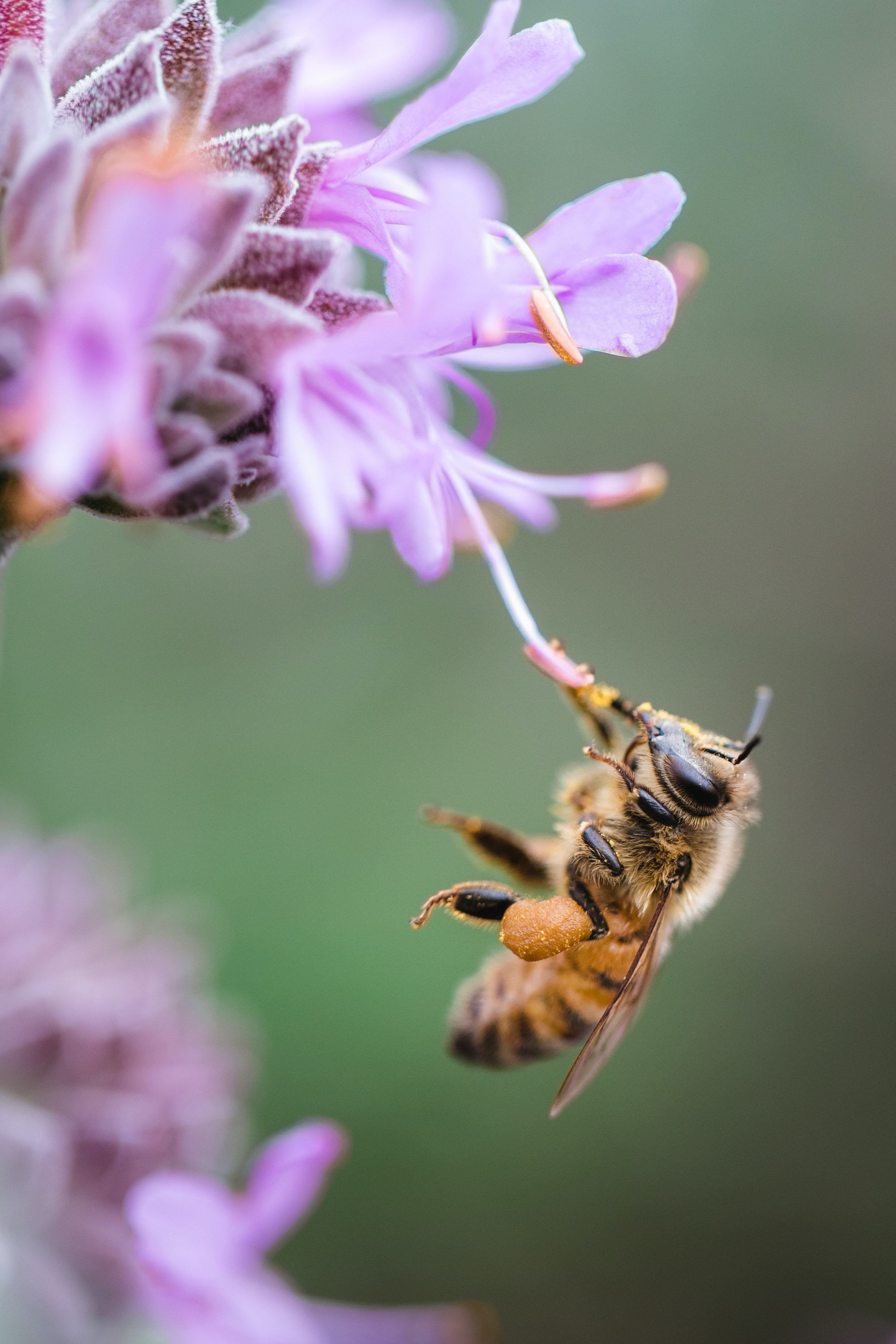
Synopses bring together all the evidence for the effects of interventions for particular species groups, habitats or issues, and contain all the ‘Collected Evidence’ articles for that topic. An example of an intervention is connecting areas of natural or semi-natural habitat for the purpose of conserving bee populations. In other words, any direct action you would take to conserve.

‘Bee Conservation: Evidence for the effects of interventions’ is the first in a series of synopses that will eventually provide a comprehensive overview of the effectiveness of conservation interventions worldwide.

For more information, read our FAQ.

Close

Feedback

Thank you for considering submitting feedback about the Conservation Evidence website - we are always looking for ways to improve it.

Please be aware that given the volume of work we have we cannot guarantee a response to every message, though we will endeavour to response should you have any particular concerns.

Please complete the required fields