New perspectives for stingless beekeeping in the Yucatán: results of an integral program to rescue and promote the activity
-
Published source details
González-Acereto J.A., Quezada-Euán J.J.G. & Medina-Medina L.A. (2006) New perspectives for stingless beekeeping in the Yucatán: results of an integral program to rescue and promote the activity. Journal of Apicultural Research, 45, 234-239.
Published source details González-Acereto J.A., Quezada-Euán J.J.G. & Medina-Medina L.A. (2006) New perspectives for stingless beekeeping in the Yucatán: results of an integral program to rescue and promote the activity. Journal of Apicultural Research, 45, 234-239.
Actions
This study is summarised as evidence for the following.
| Action | Category | |
|---|---|---|
|
Replace honey-hunting with apiculture Action Link |
 |
-
Replace honey-hunting with apiculture
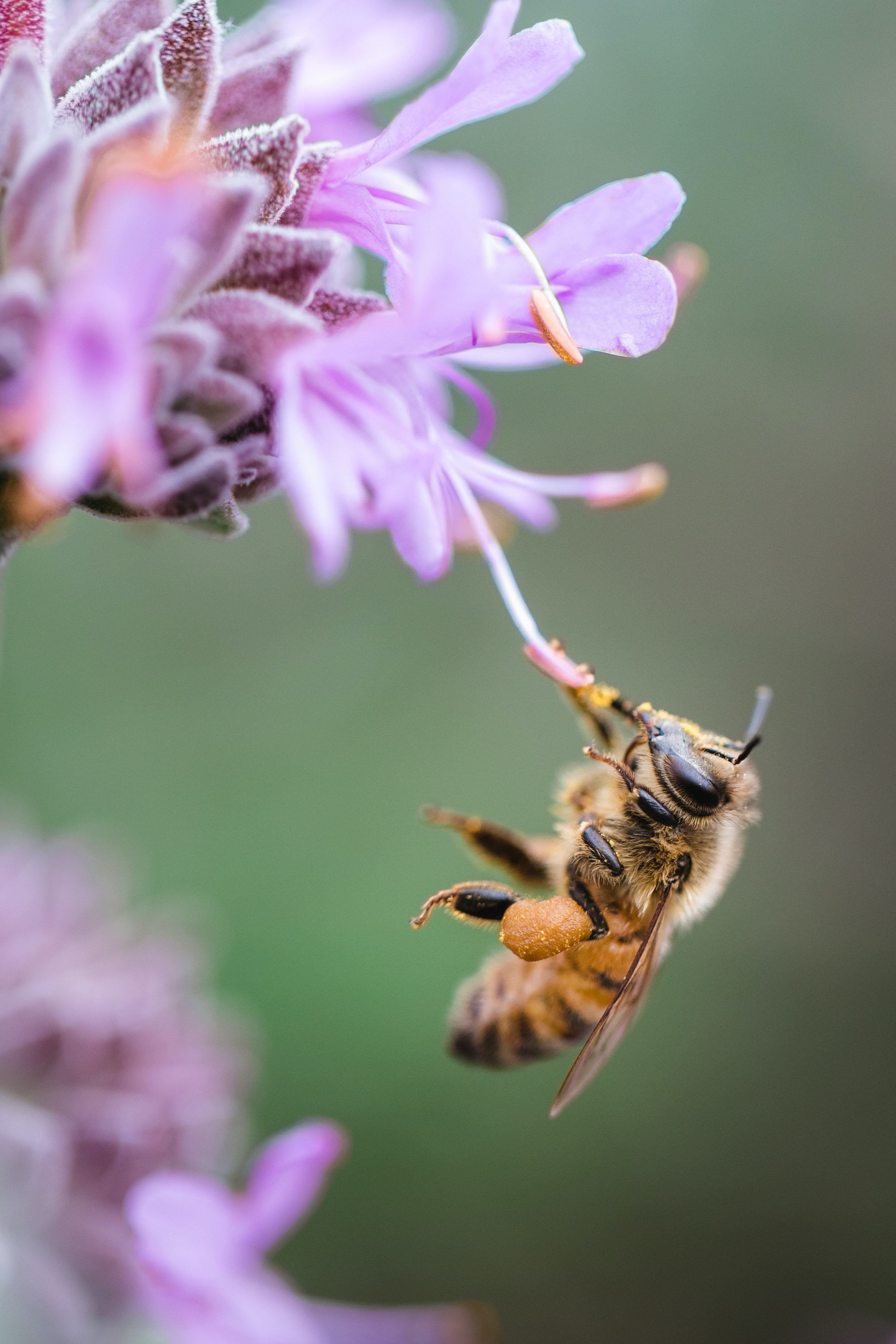
González-Acereto et al. (2006) report results of a programme of measures to promote beekeeping with native stingless bees in the state of Yucatán, Mexico. The program involved setting up a central bank of colonies available on loan, providing training courses and support for beekeepers and developing beekeeping techniques, new uses for stingless bees and their products. Around 150 people were trained in stingless beekeeping over five years, and this resulted in 324 new colonies being kept. After six years, the colony bank, developed with colonies obtained from the wild after clearance of forest patches, contained 377 colonies of 10 native stingless bee species.


)_2023.JPG)