Farming practices influence wild pollinator populations on squash and pumpkin
-
Published source details
Shuler R.E., Roulston T.H. & Farris G.E. (2005) Farming practices influence wild pollinator populations on squash and pumpkin. Journal of Economic Entomology, 98, 790-795.
Published source details Shuler R.E., Roulston T.H. & Farris G.E. (2005) Farming practices influence wild pollinator populations on squash and pumpkin. Journal of Economic Entomology, 98, 790-795.
Actions
This study is summarised as evidence for the following.
| Action | Category | |
|---|---|---|
|
Reduce pesticide or herbicide use generally Action Link |
 |
|
|
Reduce tillage Action Link |
|
-
Reduce pesticide or herbicide use generally
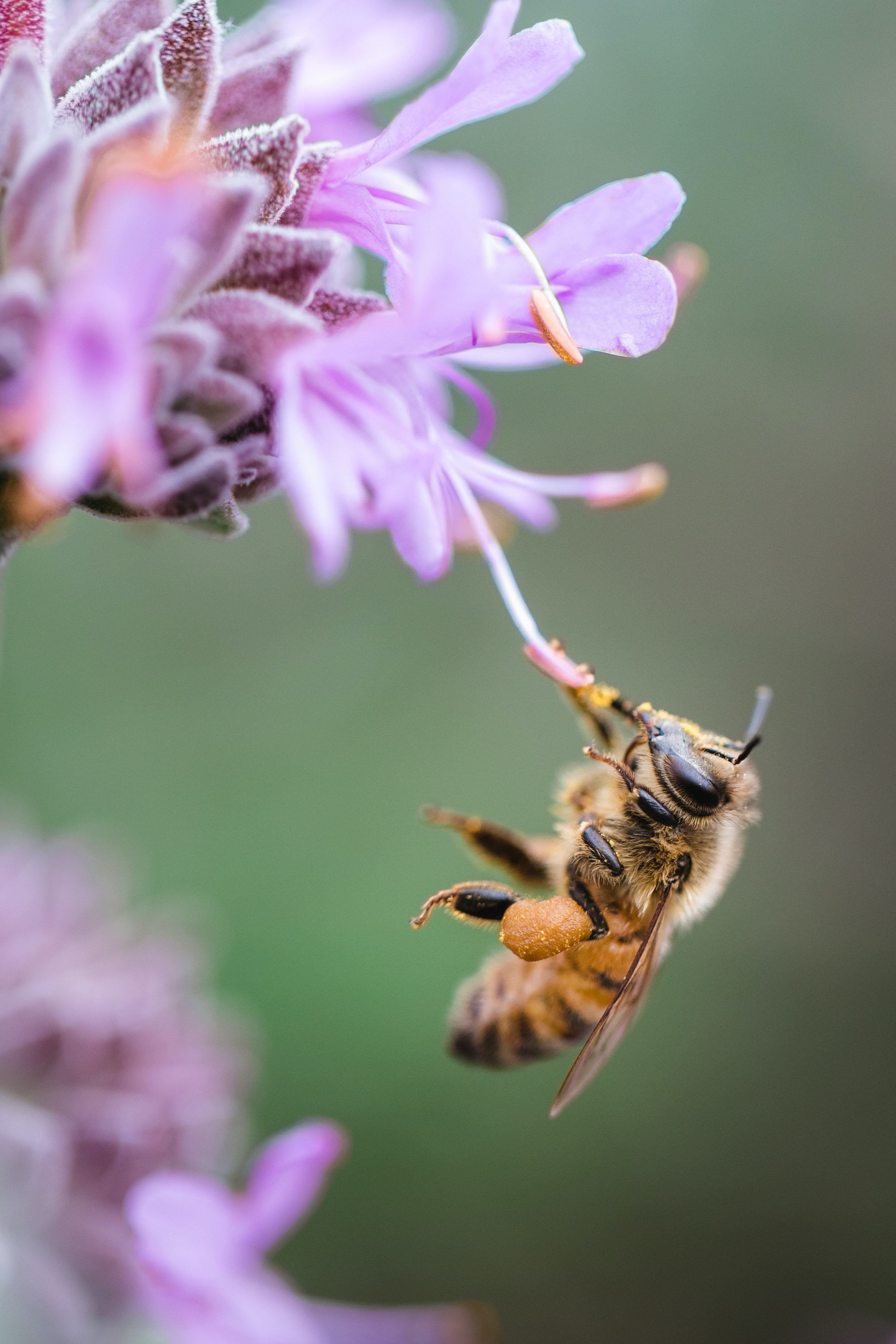
Shuler et al. (2005) compared the abundance of bees visiting squash flowers Cucurbita sp. on farms that either used pesticides (13 farms) or did not (12 farms), in the eastern USA. They found no difference in the abundances of squash bees Peponapis pruinosa, bumblebees Bombus sp. or honey bees Apis mellifera that could be explained by pesticide use. The study included no information about the type of pesticide, quantity or timing of its use. The authors assumed pesticides were applied on these study farms at times when bees were not exposed.
-
Reduce tillage
Two replicated trials have compared the effects of tillage on the abundance of squash bee and other bees visiting squash Cucurbita spp. flowers in the United States. Both studies used 20 or more farms, in the same area (Virginia or Maryland, USA). Shuler et al. (2005) found that there were three times more squash bees on no-till farms as on tilled farms, although there was no difference in the numbers of bumblebees Bombus spp. or honey bees Apis mellifera. By contrast, Julier & Roulston (2009) found no difference in the numbers of squash bees or other bees between farms that had tilled after the previous year's pumpkin crop and those that had not. Julier & Roulston's study only included farms growing pumpkins, which are relatively late flowering compared to other cultivated squash plants. Early emerging squash bees may have been missed by this study because they had to travel elsewhere to forage and nest.
Additional reference
Julier H.E. & Roulston T.H. (2009). Wild bee abundance and pollination service in cultivated pumpkins: farm management, nesting behaviour and landscape effects. Journal of Economic Entomology, 102, 563â€573


)_2023.JPG)