Visitation by wild and managed bees (Hymenoptera: Apoidea) to eastern US native plants for use in conservation programs
-
Published source details
Tuell J.K., Fiedler A.K., Landis D. & Isaacs R. (2008) Visitation by wild and managed bees (Hymenoptera: Apoidea) to eastern US native plants for use in conservation programs. Environmental Entomology, 37, 707-718.
Published source details Tuell J.K., Fiedler A.K., Landis D. & Isaacs R. (2008) Visitation by wild and managed bees (Hymenoptera: Apoidea) to eastern US native plants for use in conservation programs. Environmental Entomology, 37, 707-718.
Actions
This study is summarised as evidence for the following.
| Action | Category | |
|---|---|---|
|
Plant dedicated floral resources on farmland Action Link |
 |
-
Plant dedicated floral resources on farmland
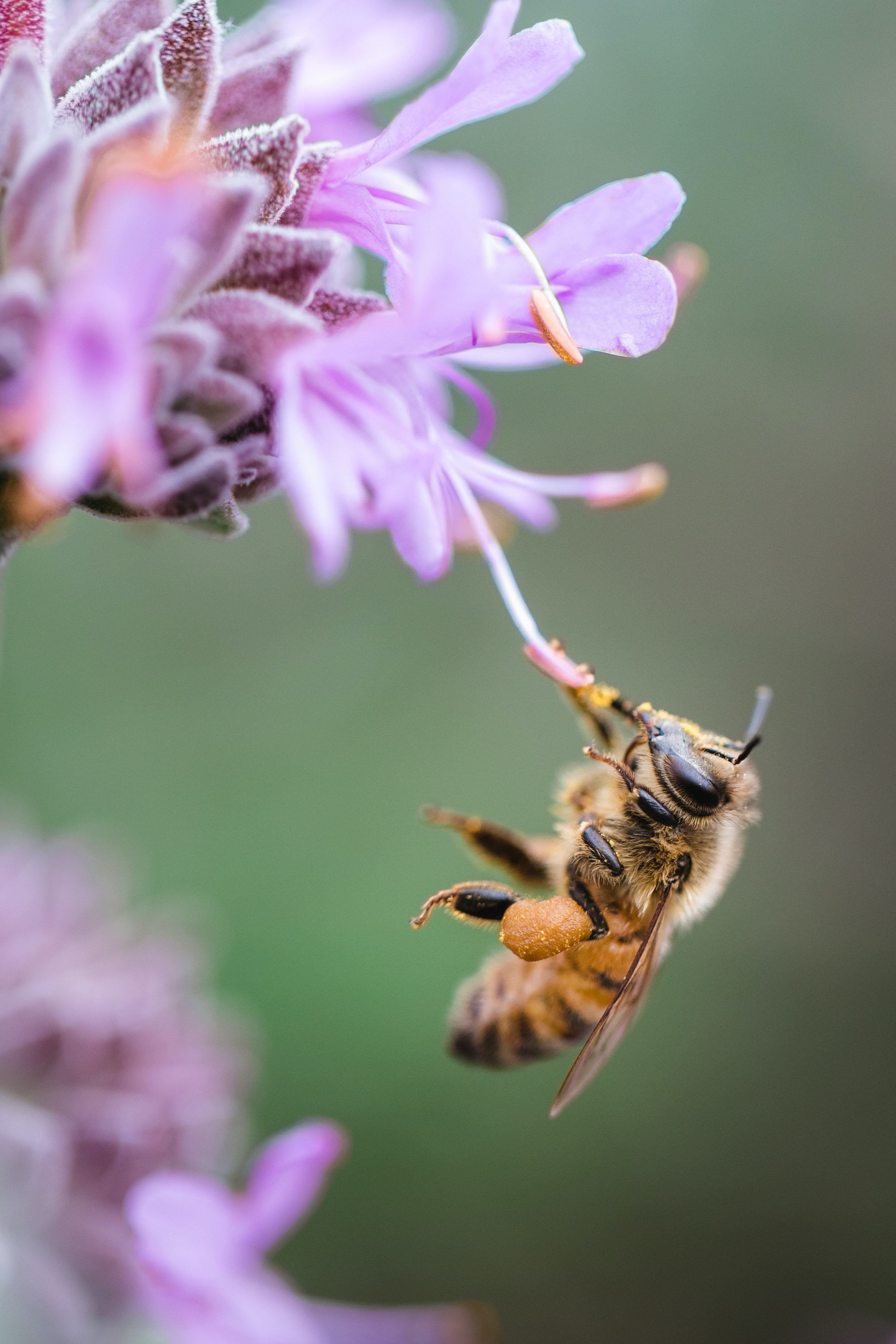
Tuell et al. (2008) evaluated native perennial plant species in the eastern USA for their attractiveness to wild bees in a replicated experiment (five replicate 1 m2 plots of each species). Nine out of 43 species were highly attractive to bees, having an average of five or more wild bees per m2 plot in vacuum sampling or timed observation. These were Potentilla fruticosa, Scrophularia marilandica, Veronicastrum virginicum, Ratibida pinnata, Agastache nepetoides, Silphium perfoliatum, Lobelia siphilitica, Solidago riddellii and Solidago speciosa. Three other plant species (Zizia aurea, Fragaria virginiana and Coreopsis lanceolata) were identified as attractive to wild bees in the early season (May and June), a crucial time for early-emerging bee species, when flowers are generally less abundant.


)_2023.JPG)